
SBA Announces Disaster Loans for Michiana Tornado Recovery Efforts
- May 3, 2026
- Posted by: Alex Reed
- Category: Related News
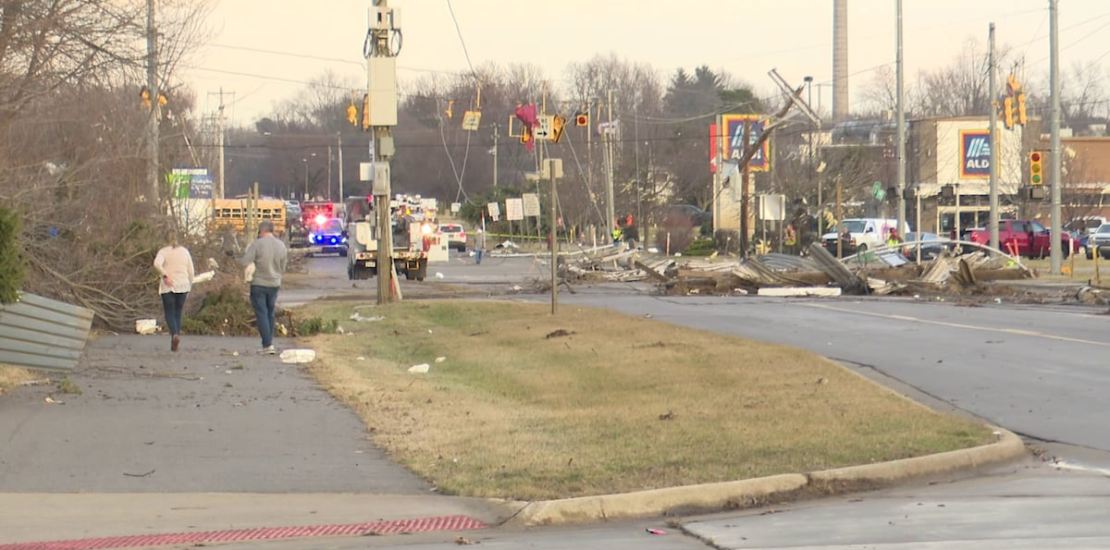
Disaster loans from the Small Business Administration (SBA) are now available for individuals and businesses in southwest Michigan and northern Indiana affected by the recent tornadoes. This support can make a big difference for people trying to rebuild their lives after natural disasters.
Understanding SBA Disaster Loans
The SBA provides loans that help homeowners, renters, and businesses recover from disasters. These loans can cover the cost of repairing or replacing damaged property. If your home was affected by the tornadoes, a disaster loan can help you pay for repairs. For businesses, there are additional loans available for those that lost income during the recovery process.
These loans are an important resource for communities. They can be the lifeline that helps restore normalcy and supports economic recovery. When sections of a community experience damage, available financial aid can help ensure businesses reopen and families are able to return to their homes.
What Areas Are Affected?
The SBA has designated specific areas for these loans. In Michigan, the counties eligible for aid include Berrien, Cass, and St. Joseph. In Indiana, the counties of Elkhart, LaGrange, and St. Joseph are included as well. If you live in these areas and were impacted by the tornadoes, you might want to act quickly to apply.
It is crucial to know what applications are available. If you’re a homeowner or a business owner in these areas, reviewing the specific criteria for these loans can help you make informed decisions about your financial future post-disaster.
Application Deadlines
Deadlines for applying for disaster loans are approaching quickly. For the Physical Damage loans, the application deadline is set for June 29. This is the date by which homeowners and renters must submit their applications for physical damages. For businesses that need assistance due to lost income, the deadline for Economic Injury loans is January 28.
Keeping track of these deadlines is vital. Missing them could mean losing out on critical financial support for recovery. Ensure you have all the necessary documents prepared to streamline your application process.
Why This Is Important
Access to these loans can significantly impact the recovery efforts in the affected regions. Many families may find themselves struggling to cover the costs of repairs and replacement items after such a devastating event. Similarly, businesses depend on swift recovery to avoid long-term financial struggles.
By taking advantage of these loans, residents and entrepreneurs can regain stability. This process not only benefits individuals but also helps the economy of the whole region bounce back. The sooner people can recover, the quicker the community as a whole can heal.
What this means for you
If you are in one of the affected areas, consider applying for these loans to assist with your recovery. Pay attention to the approaching deadlines to ensure you secure the aid you need. If you ever need to review loan agreements or any other related documents, legal-document-to-plain-english-translator/”>AI legalese decoder can translate it into plain English in seconds.
Need to decode legal language? Try the free AI Legalese Decoder — no registration required.

 ****** just grabbed a