
China counters US sanctions on five key ‘teapot’ refineries
- May 3, 2026
- Posted by: Alex Reed
- Category: Related News
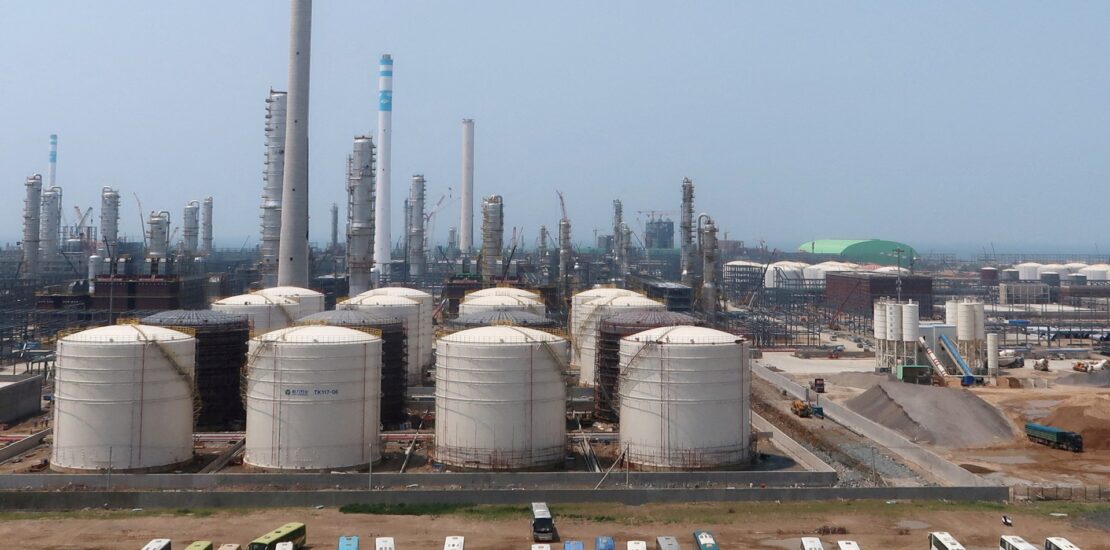
China is taking a firm stance against U.S. sanctions impacting its oil refineries. This story sheds light on the complexities of international trade and the potential ripple effects on everyday consumers, such as fluctuating fuel prices.
U.S. Sanctions and China’s Response
The United States Treasury recently imposed sanctions on five Chinese refiners accused of purchasing oil from Iran. These sanctions effectively cut these companies off from the U.S. financial system, making it difficult for them to conduct business. In response, China’s Ministry of Commerce swiftly announced an injunction to block these sanctions, claiming they violate international law and disrupt global business practices.
According to the Ministry’s statement, the sanctions restrict normal business between Chinese firms and other countries and contradict the basic principles of international relations. They have issued a “prohibition order” that declares these U.S. measures “shall not be recognized, enforced, or complied with.” This move is intended to protect China’s national interests, including its sovereignty and security.
The Impact on Chinese Refineries
The sanctions target several Chinese refineries, including Hengli Petrochemical, which the U.S. Treasury called “one of Tehran’s most valued customers.” This specific refinery has been linked to significant revenue generation for the Iranian military through oil purchases.
The U.S. sanctions also apply to four smaller refineries known as “teapot” refineries: Shandong Jincheng Petrochemical Group, Hebei Xinhai Chemical Group, Shouguang Luqing Petrochemical, and Shandong Shengxing Chemical. These teapot refineries operate independently and are smaller than the state-owned oil giants like Sinopec. Collectively, they represent a substantial segment of China’s refining capacity, helping the country maintain its oil supply.
The Broader Context of Global Oil Trade
China relies heavily on oil imports, with more than half of its oil originating from the Middle East, particularly Iran. In fact, in 2025, over 80 percent of the oil exported by Iran went to China. This trade has been essential for China’s energy security, especially as it takes advantage of discounted crude oil from countries facing sanctions, including Iran, Russia, and Venezuela.
As global tensions rise and sanctions proliferate, the viability of these smaller refineries is in question. They have been forced to navigate various challenges, from fluctuating international relations to tepid domestic demand, which can squeeze profit margins.
Furthermore, U.S. sanctions complicate the process for these refineries by creating hurdles in distributing refined products correctly labeled by origin. This can lead to significant logistical issues and economic ramifications not just for the companies involved, but also for consumers who ultimately feel the impact at the pump.
What this means for you
For everyday consumers, these international disputes could translate into higher fuel prices or decreased availability of certain oil products. It’s essential to stay informed about how global trade affects your local economy. If you ever need to review a document like a ticket transfer agreement, legal-document-to-plain-english-translator/”>AI legalese decoder can help decode the fine print and make sense of it in plain English.
Need to decode legal language? Try the free AI Legalese Decoder — no registration required.
Source: https://www.aljazeera.com/economy/2026/5/3/china-blocks-us-sanctions-against-five-teapot-refineries

 ****** just grabbed a