
How the Iran War Could Impact Small Businesses and Your Finances
- April 27, 2026
- Posted by: Alex Reed
- Category: Related News
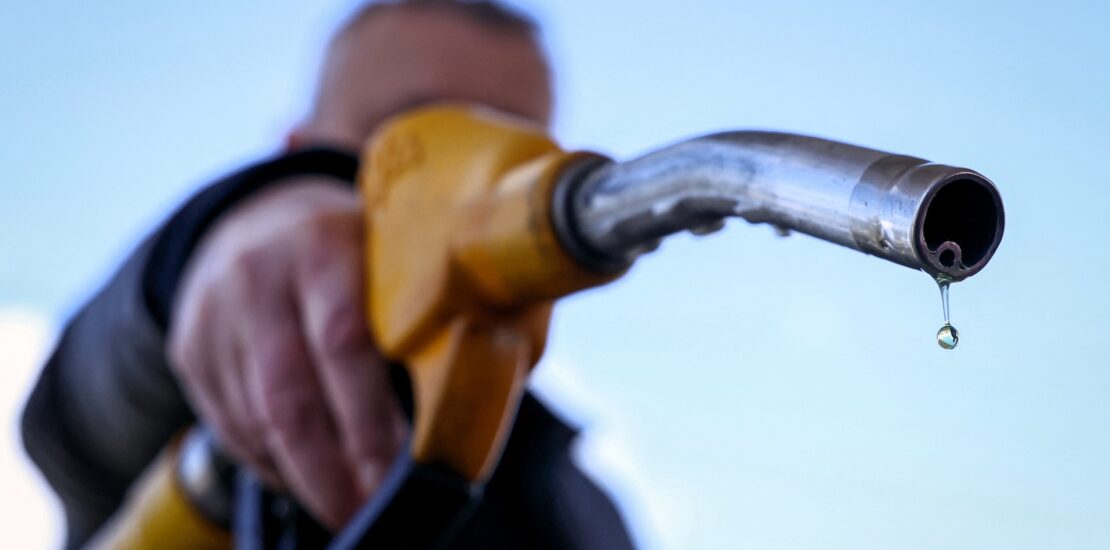
The ongoing conflict in Iran is impacting oil prices, and that affects all of us. With rising fuel costs, consumers can expect to pay more at the pump and see hikes in the prices of everyday goods.
The Ripple Effects of Rising Oil Prices
The tension between the U.S. and Iran has created a strain on oil supplies, leading to substantial price increases across various products. In the wake of a recent joint military operation, oil prices surged, causing gasoline prices to average over $4.00 per gallon, a significant jump from less than $3.00 just months ago. Diesel prices have also spiked, affecting crucial industries dependent on this fuel, with average costs reaching around $5.40 per gallon.
As President Trump has indicated that the conflict will continue indefinitely, the outlook for oil prices remains bleak. The longer this crisis continues, the more consumers will feel the pinch. Higher fuel costs don’t just impact gas stations; they lead to increased prices for goods that rely on transportation. Everything from groceries to household items could see price surges as businesses are forced to pass on these additional costs to consumers.
Truckers—The Frontline Workers Feeling the Strain
Truck drivers are feeling the immediate impacts of higher diesel costs. Todd Spencer, president of the Owner-Operator Independent Drivers Association, highlighted that these costs usually trickle down to the businesses they serve. Fuel surcharges are often added to shipping contracts, allowing truckers to recoup some of their increased costs. However, not all surcharges cover the higher fuel expenses, leaving some truckers in a tight spot.
For many, fuel prices are a crucial part of operating expenses. Spencer noted the historical context—similar situations led to widespread trucker strikes in the past. The current crisis has raised the cost of transporting goods, and as prices rise, businesses must find ways to handle these economic pressures. For the vast majority, it means that consumers will ultimately bear the brunt of these rising costs at the checkout line.
Higher Food Costs: A Direct Consequence
Higher fuel prices have a cascading effect on the food supply chain. John Ross, CEO of the Independent Grocers Alliance, pointed out that diesel fuel is essential for everything from growing crops to transportation. Thus, the jump in diesel prices translates directly to higher food costs. With approximately one-third of global fertilizer supply relying on oil, any disruption can significantly affect agricultural production.
The ongoing conflict has resulted in fertilizer shortages, exacerbating the situation just as farmers enter busy planting seasons. Fertilizer prices have skyrocketed by about 45% due to the crisis. As the summer progresses, consumers can expect to see these price increases reflected in grocery bills, especially for fundamental items like meat and fresh produce. The food industry is anticipated to feel the weight of these costs, potentially leading to even higher prices in the coming months.
Smaller Grocers Face Tougher Challenges
Independent grocers may feel the heat more acutely than larger chains. While some independent stores have a competitive advantage by sourcing locally, they often have slimmer profit margins and less capital to absorb rising costs. These small retailers rely heavily on the agricultural sector, which is currently under duress.
As larger companies can balance low margins in food with high profits from other products, independent grocers don’t have this flexibility. Ross expressed concern for small family farms, saying they face severe challenges that could lead to significant losses, further reducing consumer choices. If these farms close down, it could lead to a bigger agricultural crisis, affecting prices and availability of food even more drastically.
What this means for you
The ongoing oil crisis highlights how interconnected global events are with our daily expenses. Higher fuel costs lead to increased prices for groceries and other consumer goods, which can strain family budgets.
If you ever need to review the impact of fuel costs on your grocery bills or any related contracts, legal-document-to-plain-english-translator/”>AI legalese decoder can help decode the fine print rapidly. Understanding the finer points of your purchasing agreements can empower you as prices continue to shift.
Need to decode legal language? Try the free AI Legalese Decoder — no registration required.
Source: https://www.salon.com/2026/04/24/the-iran-war-is-about-to-hit-small-businesses-and-your-wallet/

 ****** just grabbed a