
X Shore Resumes Operations: What This Means for the Electric Boat Market
- April 26, 2026
- Posted by: Alex Reed
- Category: Related News
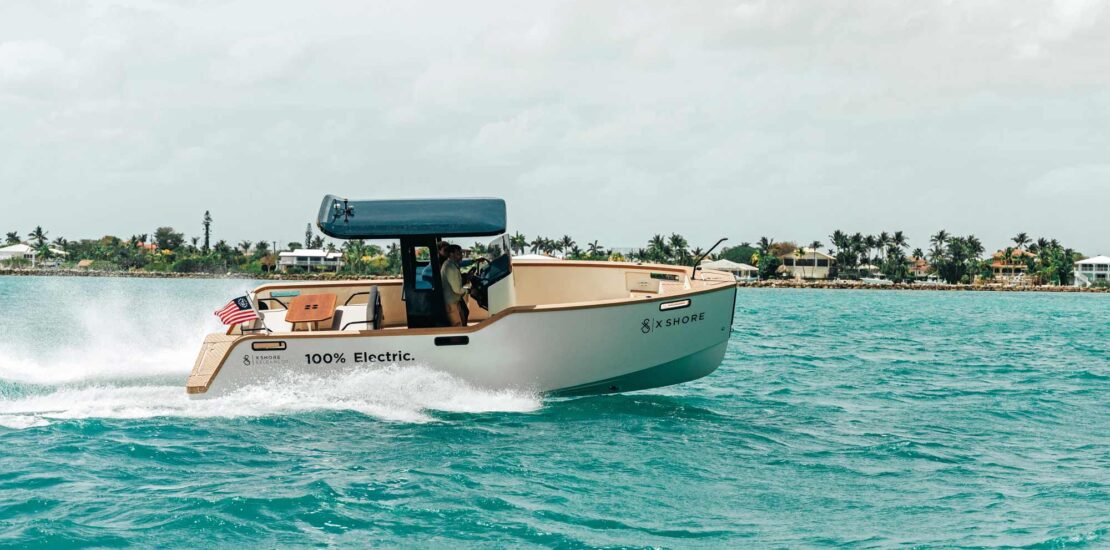
Three months after a major bankruptcy, X Shore, a Swedish electric boat manufacturer, is making a comeback. This story matters because it reflects the resilience of businesses in challenging times and highlights the potential shifts in the boating industry toward electric models, something that could affect consumers purchasing these innovative products.
X Shore’s Recent Bankruptcy and Rebirth
X Shore faced significant troubles and filed for insolvency in October 2025. At that time, the company owed 17 million Swedish krona (approximately $1.9 million) in unpaid rent for its manufacturing facility. The financial strain came after multiple funding rounds aimed at product development, yet none were enough to stabilize the company. A court-appointed administrator sought offers for the business, but by the deadline, there were no viable bids.
With a shaky financial structure and an uncertain future, X Shore appeared at a crossroads. However, the story took a positive turn earlier this year when Norwegian entrepreneur Staale Reiersen acquired the manufacturing site and inventory for 11 million Swedish krona (about $1.2 million). This acquisition breathed new life into the company, paving the way for operations to resume in Nyköping.
New Leadership and Strategic Focus
René Hanson, the former CEO who remains part of the leadership team, emphasized that the key objective moving forward is long-term growth. He mentioned the importance of stabilization and execution. According to Hanson, they will build upon what worked before the bankruptcy and address the shortcomings that led to it. This focus reveals a commitment to learning from past mistakes.
As part of this renewed strategy, X Shore plans to actively engage with both global dealers and customers. They aim to provide spare parts and services on a structured basis, ensuring that customers receive the support they need. The company is also committed to enhancing the technological aspects of their electric boats, based on real-world experiences. This focus on innovation and tech-driven solutions supports a movement toward more sustainable boating alternatives.
Changes in Product Focus and Market Strategy
Initially, Reiersen’s company sought to shift the focus away from recreational yachting and toward water taxis and fishing boats. However, recent communications from X Shore and Hanson reveal a return to the core mission of producing high-quality electric recreational boats. This change reflects a growing recognition of the demand for eco-friendly boating options, which could attract a new customer base.
Hanson’s statements highlight an ambition to support consumers and fulfill commitments while driving the transition to electric boating. With the increased emphasis on electric options, boat owners can expect a range of innovative features that not only benefit the environment but also enhance their boating experience.
Moreover, as X Shore re-establishes its presence in the market, it may also inspire other companies within the marine sector to adopt similar green practices, reinforcing the broader push toward sustainability in all industries.
What this means for you
This resurgence of X Shore signifies the potential for innovation and recovery in industries facing challenges, showing that companies can bounce back and align with consumer preferences for sustainability. If you’re ever required to review boat purchase agreements or contracts, you can use AI legalese decoder to decode the fine print effortlessly.
Need to decode legal language? Try the free AI Legalese Decoder — no registration required.
Source: https://megayachtnews.com/2026/04/x-shore-back-in-business/

 ****** just grabbed a