
Exploring the Impact of Retail Therapy on Mental Well-Being
- April 26, 2026
- Posted by: Alex Reed
- Category: Related News
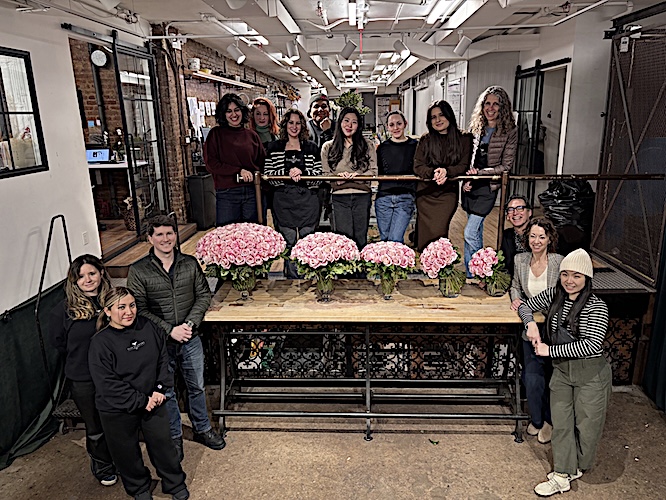
Despite the buzz of millions of visitors in Lower Manhattan, local retailers are struggling. This stagnation affects not just store owners but also anyone who values a vibrant community.
High Vacancy Rates Amid Lots of Foot Traffic
During a recent meeting of the Community Board 1 (CB1), the Manhattan Chamber of Commerce presented troubling news about retail storefronts in Lower Manhattan. Maggie Paruta, an economic development specialist, pointed out that the area’s vacancy rate sits at 22.11%. This marks an increase from 17% before the COVID-19 pandemic, and has remained relatively unchanged since then. Within the Downtown Alliance area, the situation is even worse, with a staggering 25.45% vacancy rate.
Interestingly, Lower Manhattan is home to significant foot traffic. From November 2024 to April 2025, over 56.2 million visits by non-residents were logged in the area. This suggests that, while people are coming to the neighborhood, many storefronts are not benefiting from this influx.
Challenges Faced by Local Businesses
Patrick Hall, co-owner of Elan Flowers and a member of the Chamber of Commerce, shared insights into the struggles small businesses face. He highlighted issues like the complexity of permits, frequent inspections, and an unpredictable regulatory environment. Such challenges make it difficult for small business owners to focus on what they do best: serving their customers.
For those storefront businesses that contribute to community life and job creation, these barriers can be overwhelming, particularly for owners lacking dedicated compliance personnel. This fragmented system can force small operators to prioritize paperwork over running their businesses effectively.
Initiatives to Revive Lower Manhattan Retail
In response to these ongoing issues, the Downtown Alliance has initiated a program known as RE:Store. This initiative aims to revitalize retail spaces by offering qualifying businesses three months of free rent and a $15,000 grant along with business advice. The goal is to help new pop-up stores thrive, with winners expected to be announced soon.
Moreover, the Battery Park City Authority is looking at retail and dining through a survey aimed at enhancing the shopping experience in the area. The survey seeks feedback that will help shape strategies for tackling the high vacancy rates while also diversifying the retail landscape.
The Bigger Picture of Vacancy Rates
The statistics from the Manhattan Chamber of Commerce mirror findings from the City’s Department of Small Business Services, which recently reported that CB1 possesses the highest retail vacancy rates in New York City. Out of 2,243 storefronts in the area, a significant 23.81% were unoccupied. This translates to over 6,000 lost jobs and an estimated $25.5 million in lost annual tax revenue from these vacant spaces.
While the challenges are daunting, the urgency surrounding them emphasizes the need for coherent strategies and community support to help small businesses flourish. For local business owners, like Hall, the struggle involves not only high fixed costs but also navigating a maze of regulations—all while aiming to uplift the neighborhood.
What this means for you
For anyone living in or visiting Lower Manhattan, understanding the local retail landscape can help you make informed choices about where to shop and dine. Supporting local businesses enriches community life and helps sustain jobs. If you ever need to review a retail agreement or any similar document, legal-document-to-plain-english-translator/”>AI legalese decoder can translate it into plain English in seconds.
Need to decode legal language? Try the free AI Legalese Decoder — no registration required.

 ****** just grabbed a