
Scott Bessent Freezes $344M in Iran-Linked Crypto Assets
- April 25, 2026
- Posted by: Alex Reed
- Category: Related News
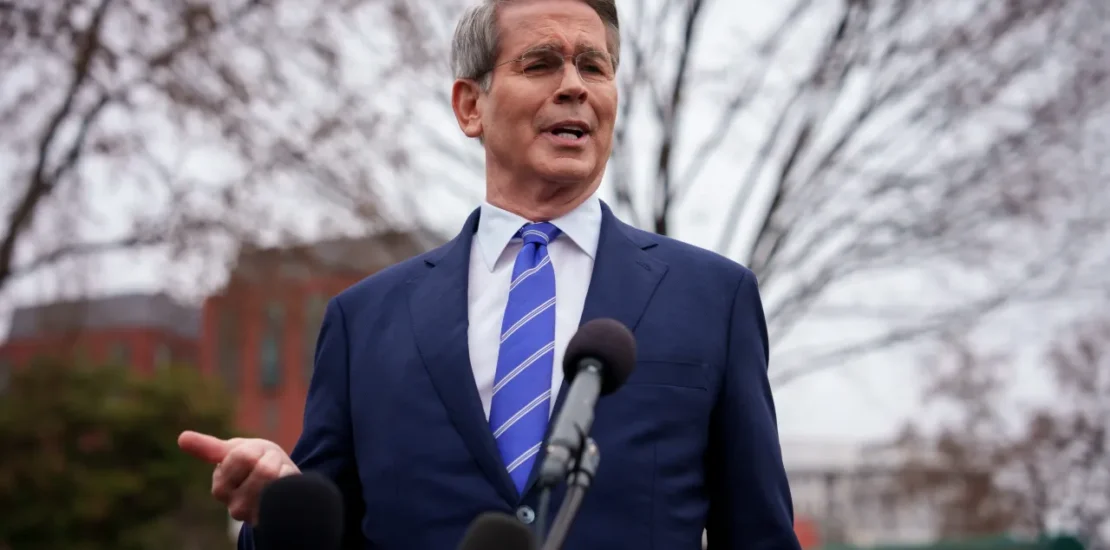
Tether’s recent decision to freeze cryptocurrency linked to Iran highlights the ongoing battle against illicit financial activities. This enforcement action matters to everyone, as it shows how governments are working to curb illegal funding that can impact global stability.
The Enforcement Action Against Iran-Linked Cryptocurrency
On a significant day, Tether collaborated with U.S. authorities to freeze a staggering $344 million in USDT, a stablecoin tied to the U.S. dollar. This move is part of a broader initiative by the U.S. government, called the “Economic Fury” campaign, which aims to disrupt financial networks linked to Iran. U.S. Treasury Secretary Scott Bessent announced that the freezing of these assets targets entities associated with unlawful activities connected to the Iranian regime.
The U.S. Treasury’s Office of Foreign Assets Control (OFAC) sanctioned multiple cryptocurrency wallets tied to key Iranian organizations, including the Central Bank of Iran and the Islamic Revolutionary Guard Corps (IRGC). These sanctions are not an isolated incident; they build on previous actions aimed at curbing Iran’s financial networks involved in oil smuggling and weapon procurement.
Tether’s Role and Impact
The cryptocurrency community has been closely watching Tether’s role in this enforcement action. As the largest dollar-pegged stablecoin, USDT serves various purposes in the digital currency space, including transaction facilitation and liquidity provision. Paolo Ardoino, Tether’s CEO, emphasized that USDT should not be viewed as a safe haven for unlawful activities. The swift action taken by Tether aids in demonstrating that cryptocurrencies can be subject to regulatory oversight.
Despite market fluctuations, USDT maintained its value around $1 over the past 24 hours. Retail sentiment generally leaned positive, indicating that the broader cryptocurrency market remains resilient even in the face of stringent regulations.
Previous Sanctions and Actions
This is not the first enforcement action focusing on cryptocurrencies in relation to Iran. Earlier this year, the U.S. Treasury imposed sanctions on two U.K.-registered cryptocurrency exchanges, marking the first time digital asset exchanges were specifically targeted for processes connected to Iran’s financial sector. These sanctions reflect a growing trend of governments taking decisive action against crypto-related activities that may be funding nefarious activities.
Just recently, the U.S. also sanctioned over two dozen individuals, companies, and vessels associated with Iranian oil smuggling networks. This multi-pronged approach shows an increasing willingness by the U.S. to monitor and intervene in the financial practices of foreign regimes viewed as threats.
What this means for you
You can see how these developments in cryptocurrency regulations may indirectly affect you, especially if you are involved in digital assets or investments. Understanding the implications of regulations can help you make informed decisions in the evolving financial landscape. If you ever need to review cryptocurrency agreement details or any financial document, legal-document-to-plain-english-translator/”>AI legalese decoder can translate it into plain English in seconds.
Need to decode legal language? Try the free AI Legalese Decoder — no registration required.

 ****** just grabbed a