
SpaceX’s $75 Billion IPO Plan Raises Concerns Over Crypto Impact
- April 25, 2026
- Posted by: Alex Reed
- Category: Related News
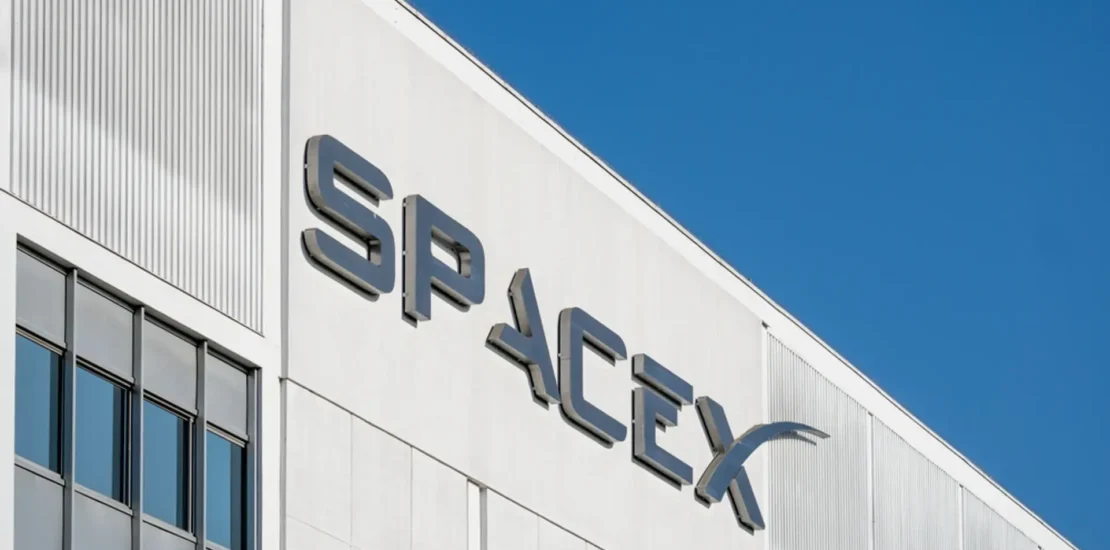
A potential $75 billion initial public offering (IPO) by SpaceX could significantly impact the cryptocurrency market. This massive listing not only raises eyebrows among investors but could also influence how everyday people navigate their finances and investments.
SpaceX’s Record-Setting IPO
SpaceX is planning an IPO that could be the largest ever, aiming to raise around $75 billion. This offering is projected at a staggering valuation of $1.75 trillion. If successful, it would far surpass the previous record held by Saudi Aramco, which raised $29 billion in 2019. The sheer scale of this IPO indicates a significant shift in market dynamics, as a large influx of capital could influence other investment sectors, especially cryptocurrencies.
Liquidity—essentially the availability of cash or easily convertible assets—is a vital concern surrounding the IPO. SpaceX isn’t alone; other major tech firms, particularly in the artificial intelligence space, are also eyeing public listings this year. Collectively, these IPOs could pull more than $240 billion from the market. This raises important questions about where investment dollars will flow next.
The Ripple Effects on Cryptocurrencies
Since cryptocurrencies like Bitcoin are tied to the same liquidity pool as tech stocks, there is concern that funds redirected to these IPOs could weaken demand for digital currencies. This isn’t just speculation. History shows that when significant tech firms go public, it can lead to a reduction in crypto values. For instance, when Coinbase launched in April 2021, Bitcoin peaked at about $64,800 but eventually dropped by roughly 50% within weeks.
Investors are closely monitoring how liquidity shifts among risk assets like stocks and cryptocurrencies. If money is drained from Bitcoin and altcoins, we may see a big impact on their prices. The scenario poses real risks for anyone invested in these digital assets, especially as markets adjust to these new realities.
Potential Market Resilience
On the other hand, some analysts believe the cryptocurrency market could withstand these liquidity changes. Spot Bitcoin exchange-traded funds (ETFs) might have changed the game. Recent inflows into these ETFs suggests that the correlation between cryptocurrency and traditional financial markets is weakening. If Bitcoin can hold its ground during the IPO process, it may indicate that digital currencies are becoming less dependent on traditional market forces.
Moreover, SpaceX’s IPO plans suggest that about 30% of the shares will be offered to retail investors, which could amount to around $22 billion. This is capital that might have otherwise found its way into altcoins or Bitcoin. If retail investors divert their attention to this massive IPO, the potential for decreased short-term demand for cryptocurrencies looms large.
What this means for you
For investors, the unfolding situation highlights the importance of staying informed about market trends. The looming SpaceX IPO serves as a crucial reminder of how large financial events can influence personal investments. If you ever need to review a financial document, such as an investment agreement, legal-document-to-plain-english-translator/”>AI legalese decoder can help decode the fine print into plain English in seconds.
Need to decode legal language? Try the free AI Legalese Decoder — no registration required.

 ****** just grabbed a