
NATO Confirms No Mechanism to Expel Member Countries
- April 24, 2026
- Posted by: Alex Reed
- Category: Related News
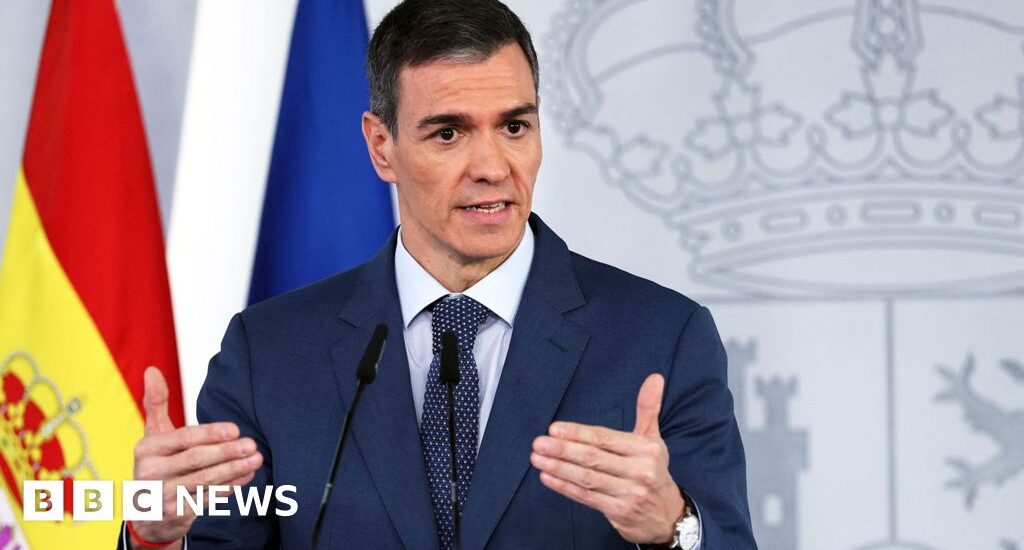
NATO’s stability is crucial not just for member countries but for global security. Recent discussions around the potential suspension of Spain from NATO raise questions about the future of international alliances and what it means for everyday people.
The US and NATO: An Uncertain Relationship
NATO, or the North Atlantic Treaty Organization, is a military alliance consisting of 31 member countries, including the U.S. and Spain. Amid rising tensions, reports have surfaced suggesting that the U.S. could seek to suspend Spain from the alliance. This is a significant topic as NATO plays a vital role in global peacekeeping and collective defense. When one member’s status is questioned, it can ripple through international relations, impacting security and cooperation on many levels.
According to NATO Secretary-General Jens Stoltenberg, there is “no provision” for expelling any member country. This leaves many questioning the implications and motivations behind the U.S.’s recent discussions. NATO is based on principles of mutual aid and solidarity. Any move to suspend a member could undermine these key tenets, leading to further uncertainty in an already fragile geopolitical landscape.
Spain Responds to Speculations
Spanish Prime Minister Pedro Sánchez was quick to dismiss the notion of U.S. intentions to suspend Spain from NATO. He emphasized the importance of Spain’s role within the alliance as a stabilizing force in Europe and as a contributor to NATO military operations. His statements aim to reassure the Spanish public and allies that Spain remains committed to its NATO obligations.
However, the situation raises questions about the reliability of U.S. support for its allies. Former President Donald Trump has previously voiced criticism of NATO, suggesting that the alliance is unfairly burdened by American military spending. If such sentiments were to gain traction again, it could lead to a re-evaluation of support for allies like Spain, which might have lasting effects on military cooperation and international dynamics.
The Bigger Picture: Implications for Global Security
The rumors surrounding Spain’s potential suspension come at a time when global conflicts are on the rise, highlighting the importance of solidarity among NATO members. A divided NATO can send mixed signals to adversaries and weaken collective security measures. The alliance exists to deter threats collectively, and discussions about suspending a member could embolden hostile nations that might otherwise think twice about aggressive actions against NATO countries.
Additionally, these speculations might stir concerns among civilians in countries like Spain, who value NATO’s protective presence. A strong alliance is essential for maintaining peace and stability, especially in regions facing security challenges.
What this means for you
For the average person, the discussions about NATO and member nations directly relate to national security and international relations. The consequences of diplomatic tensions can trickle down, affecting economies and local policies. If you ever need to review governmental documents, such as tax notices or benefit application forms, legal-document-to-plain-english-translator/”>AI legalese decoder can translate them into plain English in seconds. Staying informed about international affairs can empower you to understand the landscape in which your community operates.
Need to decode legal language? Try the free AI Legalese Decoder — no registration required.

 ****** just grabbed a