
U.S. Takes Control of Iranian Cargo Ship in Strait of Hormuz
- April 19, 2026
- Posted by: Alex Reed
- Category: Related News
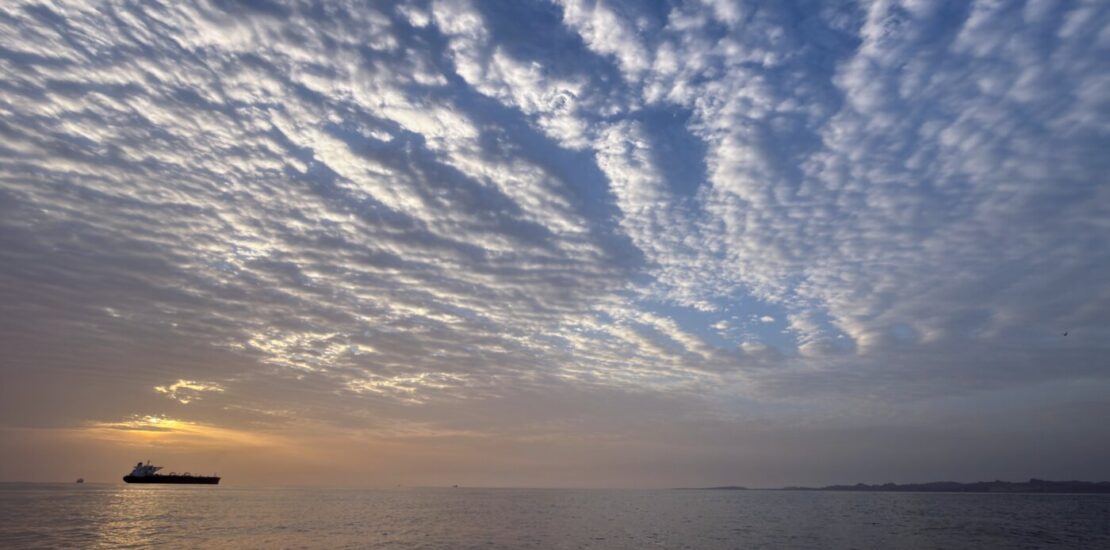
The recent seizure of an Iranian-flagged cargo ship in the Strait of Hormuz has significant implications not just for international relations, but for everyday people too. This incident highlights the fragile nature of global trade and security, affecting oil prices and international shipping routes that can hit your wallet directly.
U.S. Navy Takes Action Against Iranian Ship
The U.S. Navy seized the Iranian cargo ship, named Touska, after warning its crew to stop. According to President Trump, the USS Spruance, a guided missile destroyer, intervened after the ship refused to comply. The Navy fired on the ship’s engine room, causing significant damage, leading to its capture. Trump stated that U.S. Marines currently have custody of the vessel, citing its involvement in previous illegal activities as a reason for the action.
This escalation marks a continuation of the ongoing U.S. blockade of Iranian vessels in the strategic waterway known for its critical role in global oil supply. The Strait of Hormuz is vital for the transport of a considerable portion of the world’s crude oil and natural gas. Any disruptions here could ripple through global markets, affecting prices directly.
Negotiations in a Tense Climate
Amid heightened military actions, U.S. diplomats are heading to Pakistan for talks aimed at resolving the ongoing conflict with Iran. Vice President Vance, U.S. special envoy Steve Witkoff, and Jared Kushner are part of this delegation. However, Iranian officials have expressed reluctance to engage in discussions, citing “Washington’s excessive demands” and the ongoing blockade as detrimental to meaningful dialogue.
Meanwhile, the U.S. continues to accuse Iran of violating ceasefire agreements, adding to tension in the region. It’s a political tug-of-war that makes it unclear whether diplomacy can succeed or if military actions will escalate further.
Economic Ramifications and Regional Security
The U.S. has applauded its blockade of Iranian waters, claiming it costs Iran an estimated $500 million daily while American interests remain unscathed. However, the closure of the Strait of Hormuz raises deep concerns about energy supply and commerce. Around 20% of the world’s oil passes through this narrow passage, so any conflict here can lead to increased fuel prices for consumers globally, including in the U.S.
Additionally, Iran has retaliated by closing off access through the strait, threatening the safe passage of other vessels. The potential for escalating military confrontation and economic fallout makes this situation risky not only for governments but also for individuals who can expect rising costs if oil supplies are severely disrupted.
What This Means for You
Keep an eye on global events involving international trade and military actions, as they can directly affect your daily life through higher fuel prices and market fluctuations. If you ever need to review shipping terms or pricing contracts, legal-document-to-plain-english-translator/”>AI legalese decoder can help clarify complex legal documents in plain English for you.
Need to decode legal language? Try the free AI Legalese Decoder — no registration required.
Source: https://www.npr.org/2026/04/19/nx-s1-5790378/iran-us-hormuz-closed-impossible

 ****** just grabbed a