
Charles Hoskinson Explains Three Possible Futures for Bitcoin
- April 18, 2026
- Posted by: Alex Reed
- Category: Related News
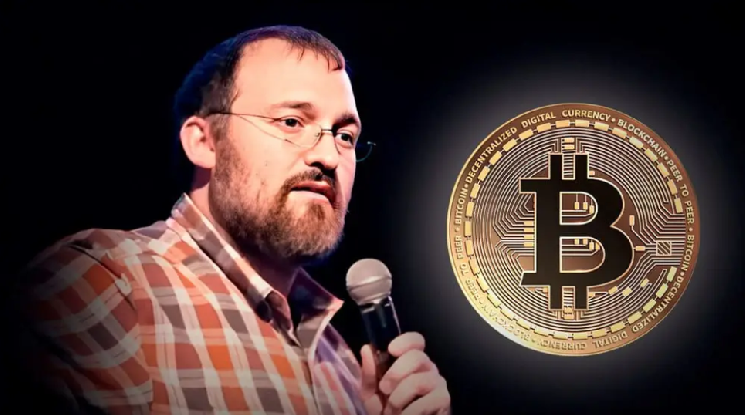
In an era where technology can affect our daily lives in countless ways, understanding the latest developments in cryptocurrency is crucial. One new initiative, known as the Midnight protocol, promises to reshape how we interact with the digital currency world, especially regarding privacy and compliance.
What is the Midnight Protocol?
Charles Hoskinson, a prominent figure in cryptocurrency, recently discussed the Midnight protocol, an innovative addition to the Cardano ecosystem. This new protocol aims to address issues faced by major corporations like Google and Microsoft, which struggled to implement successful crypto projects. Midnight presents itself as a “meta-chain.” This means it can connect and work alongside well-known networks like Ethereum, Solana, and Bitcoin. Hoskinson likens it to the “Chat-GPT” of privacy and compliance.
With Midnight, users can benefit from enhanced privacy while trading various assets such as Bitcoin and Solana. It aims to serve as a bridge between traditional regulated finance (referred to as Web 2) and decentralized finance (known as Web 3). This could significantly simplify and secure the trading process for regular users.
The Quantum Threat
In a particularly alarming part of the interview, Hoskinson addressed the looming threat posed by quantum computers to Bitcoin and other cryptocurrencies. He warned that these advanced computers could potentially break existing encryption methods by the early 2030s, which could lead to significant risks for users and the overall sustainability of Bitcoin.
To address this challenge, Hoskinson outlined three potential strategies for Bitcoin’s future. The first option is inaction, which could lead to a complete collapse of the system. The second is a soft fork, which implies adding a new signature protocol. However, this approach carries risks, including the potential theft of nearly 34% of Bitcoin’s existing supply that wouldn’t be migrated. The third option is known as BIP 361 and Forced Migration. Though it might be a safer choice, this path risks losing about 1.7 million Bitcoins, including coins originally owned by Bitcoin’s mysterious creator, Satoshi Nakamoto.
Why This Matters for Everyday Users
The developments surrounding the Midnight protocol highlight a crucial trend in the world of finance and technology. As cryptocurrency becomes increasingly integrated into our lives, understanding how these systems work—and the risks involved—becomes essential for everyone, not just tech-savvy individuals. More importantly, as cryptocurrencies take center stage, the focus on privacy and compliance is likely to grow stronger.
With services like the Midnight protocol, users can expect a more transparent and secure trading experience. This might make cryptocurrencies a more viable option for everyday transactions, further driving acceptance in mainstream finance.
What this means for you
Staying informed about changes like the Midnight protocol can help you better navigate the evolving financial landscape, especially as privacy and compliance become priorities. If you ever need to review a cryptocurrency-related agreement, AI legalese decoder can decode the fine print into plain English in seconds. Understanding these documents can protect you from risks and help you make informed decisions.
Need to decode legal language? Try the free AI Legalese Decoder — no registration required.

 ****** just grabbed a