
Bessent Prioritizes Other Goals Over Finance Chiefs’ Needs
- April 18, 2026
- Posted by: Alex Reed
- Category: Related News
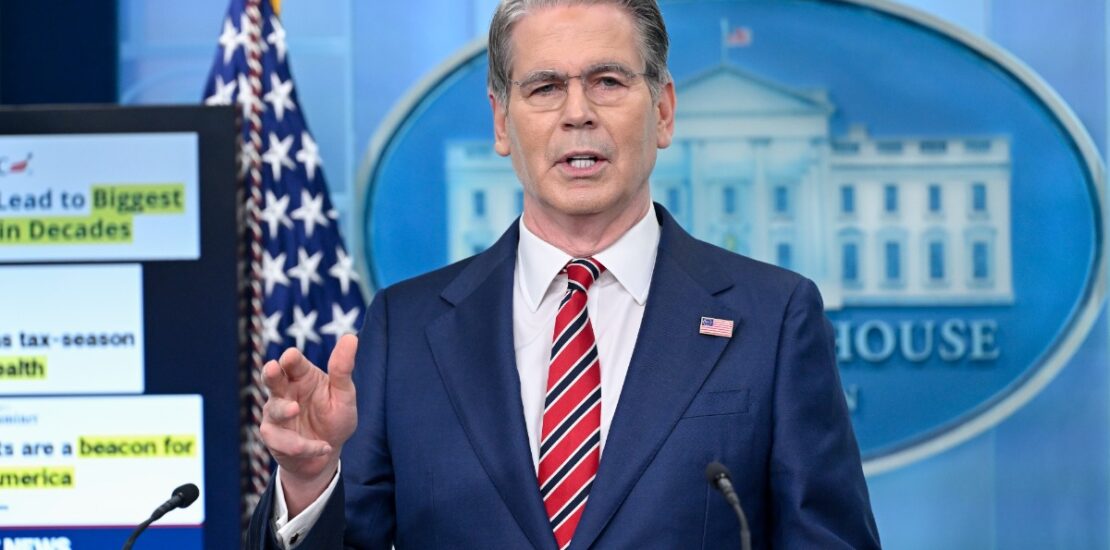
The recent tensions in the international economic landscape have serious implications for everyday people. As global energy prices fluctuate and supply uncertainties arise, the impact can be felt directly in our daily lives, from the cost of gas to food prices.
Shifting Dynamics in Global Relations
A year ago, U.S. Treasury Secretary Scott Bessent spoke about America’s commitment to engaging with the international economic system. This statement came as a refreshing assurance during uncertain times. However, recent comments from international officials hint that this promise may not have been fully realized. The ongoing international energy crisis has led many to question the U.S.’s commitment to global economic partnerships, particularly amidst rising tensions tied to the U.S.-led conflicts in Iran.
As representatives gathered for the spring meetings of the International Monetary Fund (IMF) and World Bank, some finance officials voiced their concerns. They indicated that Bessent seemed to prioritize domestic duties over meaningful engagement with international groups like the G7 and G20. This approach raises eyebrows as the world grapples with pressures from increased oil prices and potential shortages.
Concerns Over Oil Prices and Economic Stability
The uncertainties surrounding the Middle East have created ripples in global oil markets. After a brief ceasefire between Israel and Hezbollah, oil prices initially declined, signaling temporary relief. But the situation remains precarious. Observers warn that the economic fallout from these conflicts could linger for months.
Europe, in particular, finds itself vulnerable to these market shifts. The International Energy Agency has flagged that several European nations might face jet fuel shortages soon, prompting urgent calls for government action. Critics, including U.K. Chancellor Rachel Reeves, are demanding clarity on the objectives of ongoing conflicts and criticizing the lack of transparent communication.
As U.S. officials navigate these waters, they seem hesitant to adopt a clear leadership role in addressing the issues. German Finance Minister Lars Klingbeil has pointed out the need for open discussions in forums like the G7 to address joint concerns regarding the war’s implications for global stability.
International Response and Leadership Gaps
Despite various concerns, some representatives are defending Bessent’s engagement level. Japanese Finance Minister Satsuki Katayama emphasized that he attended G20 meetings, albeit with a packed schedule filled with other White House obligations. Critics, however, argue that the U.S. is not fulfilling its responsibilities as the current G20 chair, which may hinder cooperation on pressing economic matters.
Further complicating the issue, South African Finance Minister Enoch Godongwana noted that his country felt excluded from vital discussions, underscoring the potential for discord among member nations. European Central Bank President Christine Lagarde has emphasized the need for multilateral cooperation to manage economic challenges effectively.
While U.S. officials maintain a narrative of eventual stabilization in oil prices, skepticism among economists and finance leaders continues to grow. Conversations about the repercussions of ongoing geopolitical struggles could affect not only global markets but also individual households.
Implications for Everyday Citizens
As these international disputes unfold, the broader economic picture becomes increasingly uncertain. The lack of a unified direction can lead to unpredictable fluctuations in prices. For everyday people, this means keeping an eye on costs, especially for essentials like fuel and food. The continuous shifts in the marketplace can influence everything from grocery bills to travel expenses.
It’s crucial for people to stay informed about how these complex issues can impact them personally. If you ever need to unravel any complicated financial documents you encounter during these times, such as warranty agreements or subscription terms, legal-document-to-plain-english-translator/”>AI legalese decoder can translate it into plain English in seconds.
What this means for you
The ongoing global economic tensions remind us that international relations can influence our daily costs. It’s wise to stay updated on economic developments, as they can directly affect prices of goods and services. Always be prepared to read the fine print in any contracts or agreements you encounter; for that, consider using AI legalese decoder to simplify complex legal jargon.
Need to decode legal language? Try the free AI Legalese Decoder — no registration required.

 ****** just grabbed a