
Explore the Latest Trends in Seattle’s Real Estate Market
- April 16, 2026
- Posted by: Alex Reed
- Category: Related News
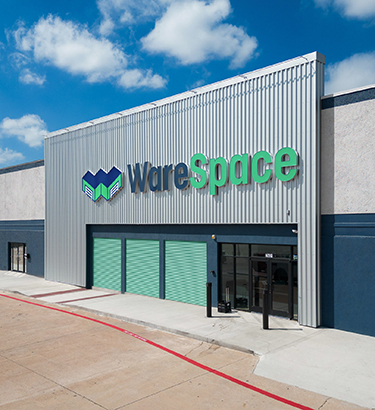
An empty warehouse in Renton, Washington, recently sold for a whopping $19 million, and this sale highlights the continuing boom in local real estate. For everyday people, understanding these transactions can shed light on how property values rise and what that means for the housing market and businesses nearby.
Understanding the Sale Price
The warehouse located at 700 Powell Ave. S.W. was sold for $19 million this week, according to public records from King County. The seller, BCI IV Renton DC LLC, was linked to Ares Management, an investment firm that specializes in real estate. Ares originally purchased the property in 2016 for about $9.6 million. Over the years, they invested in the asset, and now, nearly a decade later, they have nearly doubled their investment.
The double-digit profit margins from property sales like this are significant indicators of the real estate market in the area. Such activities not only showcase the attractiveness of commercial properties but also reflect the ongoing demand for real estate investments. Rising property values can lead to increased taxes and changes in the community landscape, affecting everyone from homeowners to local businesses.
What Makes Real Estate So Valuable?
Several factors contribute to the increasing value of properties like the Renton warehouse. The local economy plays a significant role; when businesses thrive and the job market is strong, demand for commercial spaces tends to rise. Furthermore, strategic locations—areas with easy access to transportation or near burgeoning neighborhoods—often see property values soar.
The trend is evident in many metropolitan areas where companies are looking for storage and distribution spaces due to the rise of online shopping and distribution demands. As companies like Amazon and other retailers expand, the need for properties that can accommodate these services continues to grow. This leads to an uptick in prices as businesses compete for prime locations.
Impact on the Community
The sale of properties at high prices inevitably impacts the surrounding community as well. Higher property values often translate to increased property taxes, which can be a burden for local residents. These taxes may also discourage small businesses unable to afford the rising costs.
Moreover, the type of businesses drawn to these newly valued properties can change the character of a neighborhood. While new businesses can create job opportunities, they can also lead to gentrification, which displaces established residents and alters the community dynamic. It’s crucial for local governments to monitor these changes and ensure that development benefits existing community members.
What this means for you
For individuals interested in real estate, these dynamic shifts highlight the importance of understanding property values and market trends. If you’re ever in a position to review lease agreements or purchase contracts, knowing how to decode the fine print can help you make informed decisions about your investment. If you ever need to review a lease agreement, legal-document-to-plain-english-translator/”>AI legalese decoder can translate it into plain English in seconds. This insight helps everyone navigate the complexities of real estate transactions.
Need to decode legal language? Try the free AI Legalese Decoder — no registration required.

 ****** just grabbed a