
Bank of England Governor Advocates for Global Stablecoin Regulations
- April 15, 2026
- Posted by: Alex Reed
- Category: Related News
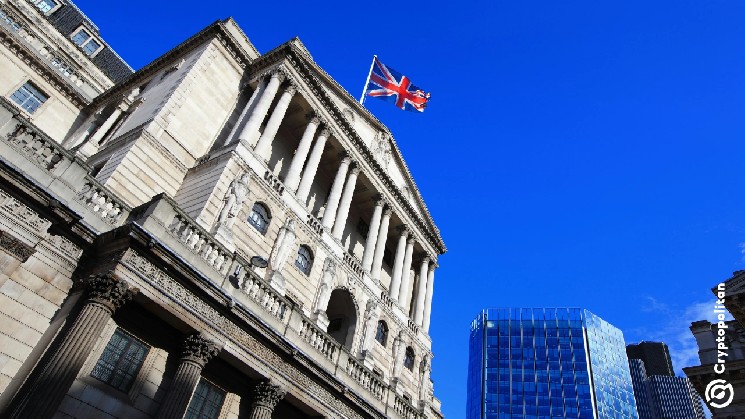
The future of money is changing, and stablecoins are at the forefront of this transformation. As governments grapple with how to regulate these digital currencies, what happens next could impact your financial life.
Global Standards for Stablecoins Are Urgently Needed
Bank of England Governor Andrew Bailey recently emphasized the need for international consistency in regulating stablecoins. He noted that the conversation around these digital currencies has slowed, even as they become more integrated into the global financial landscape. For stablecoins to thrive, people must trust that they can redeem them for their full value at any time. This reliability is what Bailey calls “assured value.” He argues that without universal standards, differing regulations could undermine that trust.
Stablecoins, digital tokens pegged to conventional assets like currencies, are increasingly becoming part of everyday financial transactions. However, Bailey warns that the lack of standard rules across countries may lead to significant gaps in regulation and care. He insists that international cooperation is vital, stating, “We can’t have a situation where we’ve got different rules of engagement in different countries for that.”
U.S. Takes Strides Toward Tougher Regulations
While the global conversation lags, the U.S. is moving ahead with its own regulatory framework. The Department of the Treasury recently issued a notice proposing stringent compliance measures for stablecoin issuers. These include anti-money laundering and counter-terrorism financing requirements, reflecting the U.S. effort to prevent illicit financial activities within cryptocurrencies.
Once these regulations kick in, expected in January 2027, the new rules will align stablecoins with existing laws applied to financial institutions. Issuers will need to implement comprehensive compliance programs, conduct financial crime risk assessments, oversee customer due diligence, and ensure compliance practices are independently audited. This approach shows that stablecoins will not enjoy an easier path in the financial world; they will be subject to rigorous scrutiny.
South Korea’s Regulatory Tug-of-War
Across the globe, South Korea is experiencing its own regulatory drama surrounding stablecoins. Lawmakers are split on allowing tech firms to issue their own stablecoins, leading to intense debates within the National Assembly. This conflict earned the attention of Circle CEO Jeremy Allaire, who expressed willingness to enter the South Korean market—if regulatory pathways are created.
Claiming that Circle does not currently plan to launch a won-pegged token, Allaire remains optimistic. He is engaging with banks and major crypto firms in South Korea, offering technical support for any local companies interested in stablecoins. This development is crucial for politicians like President Lee Jae-myung, who have promised won-pegged stablecoins, but now face opposition from the banking sector and the Bank of Korea.
The stakes are high; failure to establish regulatory clarity could threaten the government’s plans and disrupt innovation in the country’s crypto landscape.
The Implications for the Future of Finance
The discussions surrounding stablecoins highlight a significant turning point for global finance. Countries like the U.S. and South Korea are grappling with how to modernize their financial systems in an age of digital currencies. This balancing act between innovation and regulation has far-reaching implications as consumers and businesses adapt to this evolving landscape.
As standards are still being decided, consumers should stay informed about how these changes may affect their financial interactions.
What this means for you
Understanding the evolving regulatory landscape is crucial, especially if you ever deal with contracts related to cryptocurrencies or stablecoins. If you ever need to review financial agreements, legal-document-to-plain-english-translator/”>AI legalese decoder can translate them into plain English in seconds. Stay educated on how regulatory developments may affect your financial dealings to ensure you’re prepared for the future.
Need to decode legal language? Try the free AI Legalese Decoder — no registration required.
Source: legal/32715254/” rel=”nofollow noopener”>https://cryptonews.net/news/legal/32715254/

 ****** just grabbed a